
Key Concepts on Hiring Angular Experts and How to Get Started
Table of contents
Quick Access

For companies investing in modern web development, Angular stands as one of the most robust and scalable frontend frameworks. However, hiring Angular experts is not a trivial task for a CTO. The technical decision affects product quality, code scalability, security, and the team's capacity to evolve the platform.
The main challenge lies in identifying professionals with deep Angular knowledge who understand advanced architectural patterns, API integration through REST or GraphQL, performance optimization, and best testing practices. Additionally, onboarding these experts must align with the technology and business strategy to minimize risks and technical debt.
Making a poor hiring decision can lead to bottlenecks, cost overruns due to rework, and difficulties maintaining the platform long term. This guide focuses on the technical and strategic aspects a CTO should consider when hiring Angular experts, as well as how to initiate the process to maximize return on frontend development investment.
Evaluation of Technical Skills in Angular
Mastery of Angular Framework and Its Versions
Technical mastery of Angular involves understanding its core concepts, modules, components, services, and lifecycle hooks. For a CTO, it is critical that experts manage current versions and grasp migration implications between versions.
Architecturally, candidates should demonstrate proficiency in TypeScript, reactive programming with RxJS, and automation with Angular CLI. Experience with lazy loading, feature modules, and bundle optimization is essential for scalable projects.
They must also structure projects to facilitate maintainability and extensibility, applying patterns such as Redux or NgRx when complex state management is required.
This knowledge directly impacts code quality, frontend performance, and the ability to iterate features efficiently, influencing time to market and technical sustainability.
Unit and Integration Testing in Angular
The ability to implement unit tests using frameworks like Jasmine and Karma is critical to ensure software quality. Additionally, experts should master end-to-end testing with Protractor or Cypress integrated into CI/CD pipelines.
From an architectural standpoint, clear separation of concerns facilitates testing. Experts should design decoupled components and testable services, applying dependency injection and mocks for isolated tests.
Automated testing integration reduces production errors and facilitates future refactoring, positively impacting maintenance and reducing technical debt.
Having experts who understand this discipline ensures a solid foundation for continuous frontend evolution without compromising stability.
Security and Best Practices in Angular Applications
Experts must be aware of common web application risks such as XSS, CSRF, and vulnerabilities in token handling and authentication. Angular provides mechanisms to mitigate these risks, but correct implementation depends on the team.
This involves applying Content Security Policy, data sanitization, and proper configuration of interceptors for handling JWT or OAuth tokens. Integration with centralized authentication systems is also part of the required knowledge.
Architecturally, designing the application with security in mind from the start avoids costly refactors and bottlenecks in security audits.
This approach reduces legal and reputational risks and is a key hiring consideration for projects handling sensitive data or regulatory requirements.

Experience in Frontend Architecture with Angular
Modular and Scalable Application Design
Modular architecture divides the application into independent parts that can be developed, tested, and deployed separately. For a CTO, this expertise is crucial to support user growth and feature expansion.
This is implemented using well-defined Angular modules, lazy loading to optimize load times, and clear separation between presentation, business logic, and data access layers. It also includes singleton services to share state and complex logic.
A modular architecture reduces complexity, facilitates onboarding new developers, and limits the impact of changes on the system, improving operational costs and maintenance.
This approach helps mitigate technical debt by promoting clean, well-organized code from the project's start.
State Management and Component Communication
Efficient state management is a common challenge in complex Angular applications. Experts must know patterns like Redux, NgRx, BehaviorSubjects, or shared services to keep components synchronized.
Implementing a global or local store allows the application to respond to data changes in real time without inconsistencies or redundancies. This is complemented by reactive programming to handle events and data flows.
Proper state management directly impacts user experience and the ability to scale the application without bugs or performance issues.
For the team and budget, adequate state handling reduces rework and accelerates go-to-market.
Performance Optimization and Load Management
An Angular expert should implement techniques to optimize load times, minimize bundle size, and improve rendering. This includes lazy loading, prefetching, using ChangeDetectionStrategy OnPush, and optimizing pipes and directives.
Using analysis tools like Lighthouse and Webpack Bundle Analyzer to identify bottlenecks and apply fine-tuned adjustments is also relevant.
Optimization improves end-user experience, reduces infrastructure costs, and prevents scalability problems.
From a CTO’s perspective, this skill is essential to maintain competitiveness and avoid technical debt linked to performance and maintenance.
Integration with the Existing Technology Stack
Compatibility with Backend APIs and Services
Experts must master integration with REST APIs, GraphQL, or other backend protocols. This includes HTTP request handling, interceptors, error management, and authentication.
Architecturally, it is important to design decoupled Angular services that consume versioned APIs with clear contracts, facilitating independent frontend and backend evolution.
This integration affects the ability to iterate quickly without breaking functionalities and allows the frontend team to progress in parallel with backend development.
For the CTO, this alignment minimizes roadmap risks and reduces technical debt from rigid or poorly defined dependencies.
Use of Complementary Libraries and Frameworks
Angular is complemented by libraries for UI components (such as Angular Material, PrimeNG), form management, validations, and animations. Experts must evaluate which tools to add without overloading the application.
Integration must be consistent with the architecture and existing stack, avoiding unnecessary or incompatible dependencies with the technology strategy.
Proper management of these libraries improves team productivity and user experience, while facilitating maintenance.
This decision influences budget and operational complexity, requiring careful analysis before hiring and implementation.
Integration with Authentication and Authorization Systems
Experts must implement secure mechanisms for user authentication, role management, and permissions within Angular. This can include OAuth, OpenID Connect, or proprietary systems.
Configuring route guards, interceptors, and services to manage tokens securely and efficiently is required.
This integration is fundamental for enterprise systems with multiple access levels and compliance requirements.
Strategically, it ensures the application meets security policies and reduces legal and operational risks.

Work Methodologies and Team Culture
Adoption of Agile and DevOps Methodologies
Angular experts should be familiar with agile methodologies such as Scrum or Kanban to integrate effectively into iterative development cycles.
Moreover, DevOps culture involves continuous integration, automated deployment, and constant monitoring, where frontend must include automated tests and controlled releases.
Implementing these practices improves software quality, accelerates time to market, and reduces production risks.
For the CTO, this implies evaluating not only technical skills but also the team’s ability to operate under these methodologies.
Communication and Collaboration in Distributed Teams
Effective collaboration is key in projects with nearshore or distributed teams. Experts must handle communication, documentation, and task management tools to maintain alignment and transparency.
This includes using shared repositories, code reviews, and pair programming or mentoring sessions.
A good collaborative culture decreases errors, improves knowledge transfer, and facilitates team scalability.
The impact on budget and technical debt is significant, as it avoids delays and rework due to miscommunication or lack of context.
Continuous Learning and Technological Updating
Given Angular’s and the frontend ecosystem’s evolution pace, experts must commit to continuous updating and internal training.
This can include community participation, specialized courses, and experimentation with new versions or patterns.
Fostering this culture inside the team ensures the product remains competitive and technically sound.
From a CTO’s perspective, investing in training reduces technical debt and improves talent retention.
Technical Debt Management and Ongoing Maintenance
Identification and Prioritization of Technical Debt in Angular
Technical debt in Angular projects can manifest as duplicated code, monolithic architectures, insufficient testing, or outdated dependencies. Experts must know how to identify these areas.
Managing this involves establishing qualitative and quantitative metrics, periodic reviews, and a backlog for refactoring.
Prioritizing technical debt by impact on performance, security, and maintenance optimizes resource allocation and prevents crises.
This practice is essential to maintain scalability and technical health long term.
Automation and Angular Code Maintenance
Automation includes unit tests, continuous integration, static code analysis, and automated deployments. This facilitates early error detection and quality maintenance.
Structured maintenance involves clear documentation, modularity, and constant updating of dependencies and versions.
Implementing these practices reduces operational costs and limits technical debt accumulation.
For the CTO, this is key to sustaining competitiveness and team efficiency.
Planning Updates and Migrations
Angular evolves regularly, so planning updates or migrations is critical to avoid obsolescence and vulnerabilities.
This requires prior analysis, testing in controlled environments, and coordination with backend and QA teams.
A clear strategy minimizes risks and ensures business continuity during transitions.
From budgeting and strategic perspectives, planning these activities avoids unexpected costs and keeps the platform aligned with current standards.
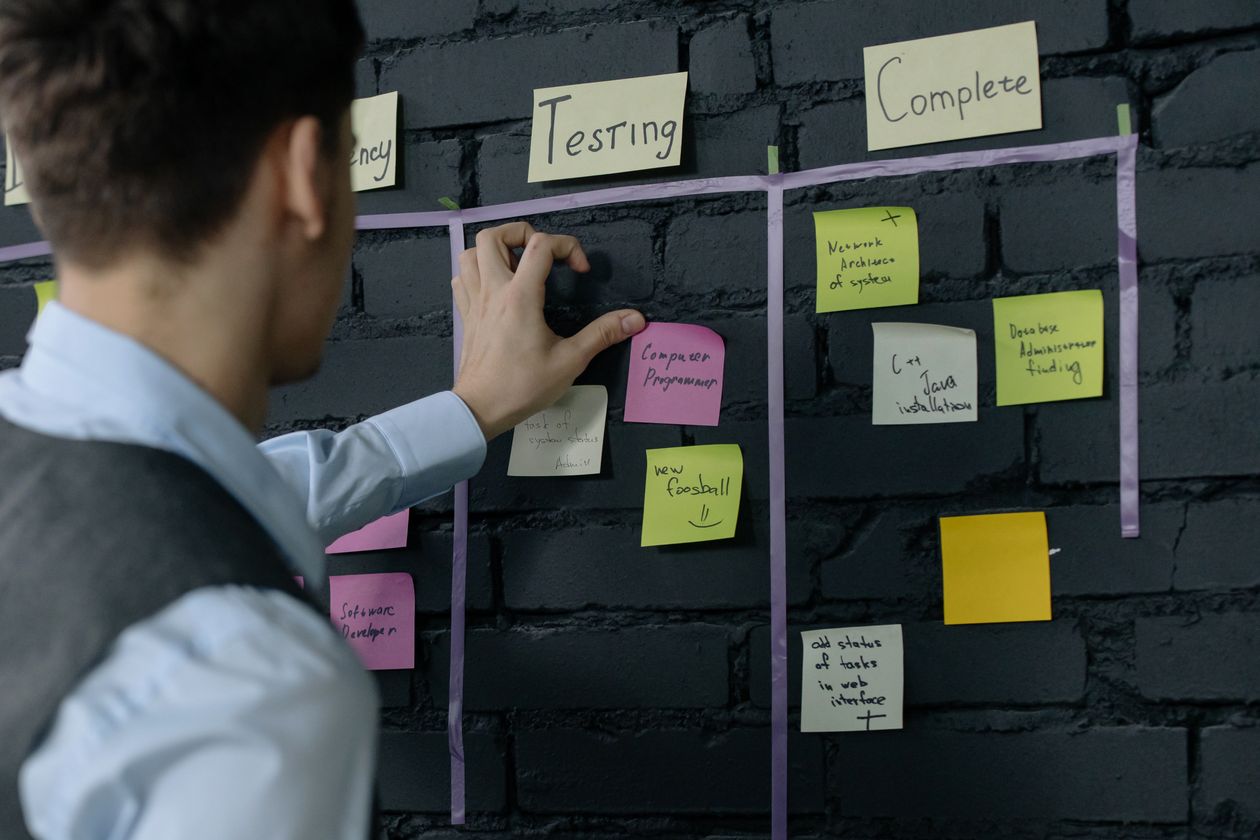
Hiring Strategy and Roadmap to Get Started
Defining Required Profiles and Competencies
Before hiring, the CTO must clearly define the technical profile and soft skills needed, considering project size and complexity.
This includes experience in Angular, testing, security, integration, and agile methodologies, plus the ability to communicate in distributed teams.
A precise definition helps attract suitable candidates and reduces risks of turnover or low performance.
It also allows adjusting budget and expectations based on the required seniority level.
Selection Process and Technical Evaluation
The process should include specific technical tests, technical interviews, and soft skills evaluation to ensure cultural fit.
Tests may involve component development, architectural problem-solving, and code analysis.
Including practical exercises and portfolio reviews helps validate real experience and problem-solving capacity.
A rigorous process reduces risks of technical debt from low-quality code and accelerates effective team integration.
Roadmap for Onboarding and Scaling the Angular Team
The roadmap should encompass technical onboarding, integration with the current team, clear definition of responsibilities, and ongoing training plans.
It is also advisable to set short- and mid-term objectives to validate new talent contribution and adjust strategy.
Planning team scalability according to product evolution and market demand is key to avoiding bottlenecks.
Rootstack can serve as a strategic partner to analyze existing architecture, define hiring strategies, and support technological evolution, ensuring alignment with business goals and technical capacity. Contact us
Related blogs

Frontend Development Companies: A Comprehensive Guide for CTOs
