
What Is IT Staff Augmentation Near Chicago Illinois?
Table of contents
Quick Access

In the Chicago, Illinois technology landscape, many companies face challenges scaling their engineering teams flexibly to meet specific project demands. Local talent shortages, high costs, and lengthy hiring cycles impact responsiveness and technological evolution. IT staff augmentation near Chicago Illinois emerges as a strategic option to address these issues.
The decision to incorporate specialized external professionals to complement internal teams directly impacts software architecture, security, operations, and budgets. For a CTO or VP of Engineering, choosing the right staff augmentation model involves balancing trade-offs around control, scalability, technical debt, and integration risks.
This article breaks down what this modality entails, its implementation forms, associated risks, and how it influences technology strategy, with a technical and strategic focus aimed at corporate decision-making.
What Is IT Staff Augmentation Near Chicago Illinois?
Definition and relevance for CTOs
IT staff augmentation is a flexible hiring model whereby a company supplements its internal technology team with specialized external professionals. Near Chicago Illinois, this approach allows organizations to access local or regional talent without the costs and time associated with permanent hires.
For a CTO, this modality is relevant because it enables adjusting technical capacity to specific business demands without sacrificing control or compromising intellectual property. This is especially important in markets with high competition and accelerated development cycles.
The modality can include developers, architects, testers, and DevOps specialists integrated into existing teams for short or long-term projects. Flexibility allows scaling up or down according to the technological roadmap evolution.
Adopting staff augmentation near Chicago Illinois impacts resource planning, technical debt management, and the ability to maintain security and quality standards, aspects that require careful evaluation.
Organizational architecture and integration techniques
Technically implementing staff augmentation involves defining how external resources integrate into the organizational and technological architecture. This may include assignment to agile squads or teams, integration into CI/CD pipelines, and controlled access to repositories and cloud environments.
Architecturally, it is essential to ensure external professionals understand the technology stack, design patterns, APIs, and security standards to avoid inconsistencies or vulnerabilities. Agile methodologies and collaborative tools are key to synchronizing deliveries and maintaining transparency.
Role-based access control (RBAC), VPNs, or Zero Trust solutions protect production environments and sensitive data. Constant communication with internal technical leaders ensures alignment with objectives and standards.
This technical integration impacts software quality maintenance, technical debt reduction, and the ability to respond to incidents or scope changes, critical aspects for CTOs with high operational standards.
Factors making this model critical in Chicago Illinois
The Chicago technology market presents particularities that make staff augmentation a key resource. Demand for specialists in technologies such as .NET, Java, cloud, and data analytics exceeds local supply, creating bottlenecks.
Additionally, the presence of industrial and financial sectors with specific compliance and security needs requires flexibility to incorporate experts without compromising operational continuity or confidentiality.
Geographical proximity and time zone alignment facilitate close collaboration with internal teams, unlike more distant offshore models. This improves communication and reduces risks of technical or cultural misalignment.
For CTOs in Chicago, having a staff augmentation near Chicago Illinois strategy mitigates hiring risks, absorbs work peaks, and accelerates strategic initiatives without increasing technical debt or affecting technology governance.
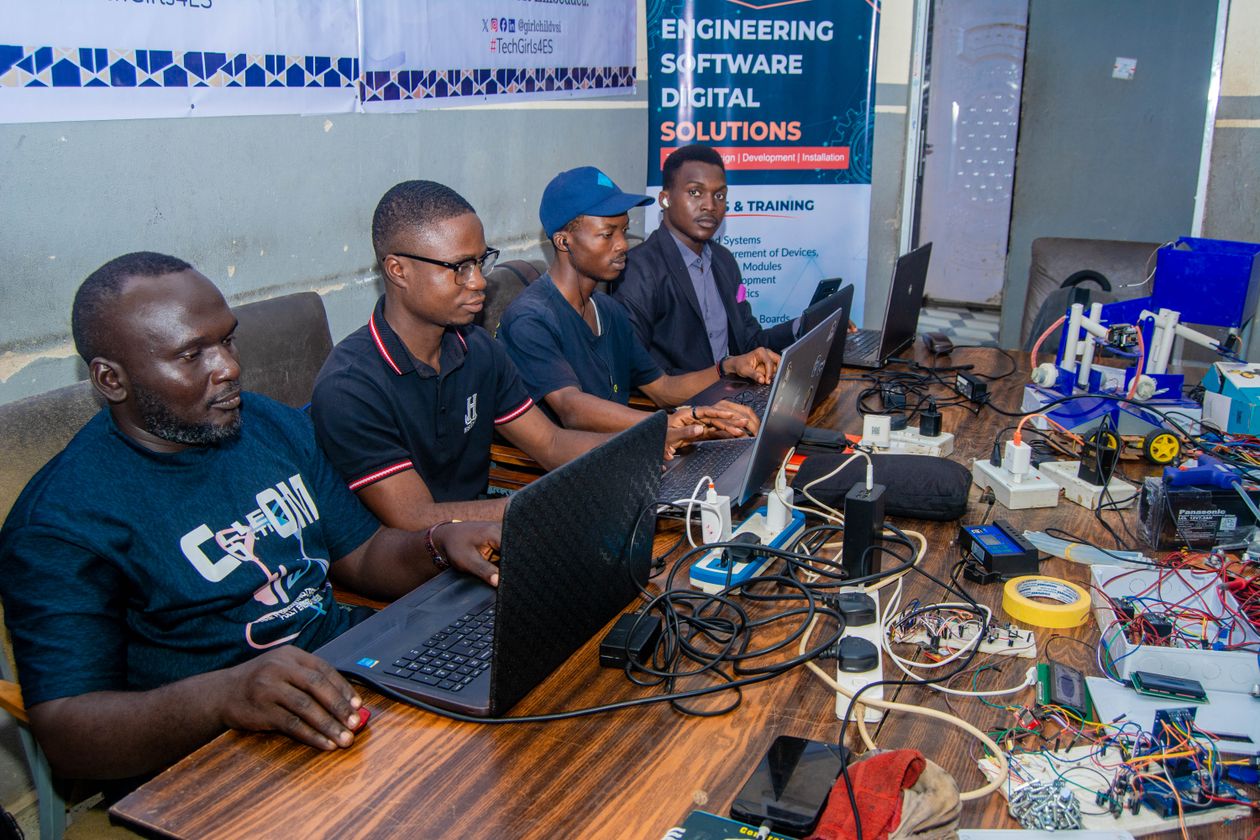
Implementation Models and Team Architecture
Staffing models: extended, integrated, and dedicated
There are several models to implement IT staff augmentation, defining the integration and control level over external resources. The extended model means professionals act as occasional support on specific tasks with low integration.
The integrated model refers to including external talent within agile teams or squads, actively participating in planning, development, and software deployment. This requires greater coordination and cultural alignment.
The dedicated model assigns a team or professionals exclusively to projects or lines of business, with autonomy and responsibility similar to internal employees. This model is the most management-intensive but allows greater scalability and ownership.
For CTOs, choosing among these models involves balancing control, costs, and delivery speed, considering the internal team’s capacity to manage external resources and the acceptable risk level.
Technical architecture for external team integration
From an architectural perspective, integrating external resources requires clearly defining boundaries for system, environment, and data access. Segmenting development and testing environments is recommended to minimize risks.
CI/CD pipelines should allow external collaborators to contribute without compromising stability through code reviews, automated testing, and continuous monitoring.
Collaboration tools like Jira, Confluence, Slack, or Microsoft Teams facilitate communication and progress visibility. Technical documentation must be kept up-to-date and accessible to avoid bottlenecks.
This architectural approach impacts system maintainability, error reduction, and the ability to scale without increasing complexity or technical debt.
Impact on management and organizational culture
Incorporating external talent modifies team dynamics, processes, and culture. Leadership must foster inclusion, clarity in roles and responsibilities, and continuous feedback mechanisms.
Teams must adapt to cultural and communication diversity inherent to nearshore staffing, leveraging time zone overlap for frequent synchronizations and rapid impediment resolution.
Knowledge management is critical to avoid excessive dependency on external resources and ensure transfer to internal teams. This involves documenting processes, code, and architectural decisions.
This aspect directly influences the ability to maintain quality standards, avoid technical debt, and ensure sustainable technological evolution mid- to long-term.
Impact on Architecture, Security, and Operations
Architectural considerations when integrating external talent
Bringing in external professionals must consider the impact on software architecture, especially in distributed systems, microservices, and cloud environments. Consistency in patterns and standards is key to avoiding fragmentation and technical debt.
Defining clear APIs, service contracts, and technical documentation facilitates integration and maintenance. CTOs should assess how external resource incorporation affects scalability and resilience, ensuring changes align with technological evolution strategy.
This approach mitigates incompatibility risks, facilitates operations, and enables project scaling without unnecessary technical debt.
Such architectural discipline is critical for maintaining system integrity and operational excellence.
Security and compliance implications
Security is paramount when working with external talent. Strict access controls, continuous monitoring, and identity and access management (IAM) policies must be implemented.
Compliance with local and international regulations, such as GDPR or CCPA, must be ensured through audits, data encryption, and environment segregation. External professionals’ participation must not compromise these standards.
Organizations should establish clear contractual agreements on confidentiality, intellectual property, and data handling, alongside training external resources in internal security policies.
For CTOs, managing security risks is essential to prevent breaches that could impact reputation and business continuity.
Impact on operations and support
Daily operations may be affected by external talent if clear support and escalation protocols are not established. Defining SLAs, incident management processes, and effective communication channels is necessary.
Monitoring and observability must extend to components developed or maintained by external resources to ensure visibility and responsiveness to failures.
Documentation, deployment automation, and continuous testing facilitate operations and reduce human errors or inconsistencies.
This operational maturity influences uptime, incident response, and platform evolution without disruptions, key concerns for CTOs managing critical environments.

Trade-offs and Technical and Organizational Risks
Balancing internal control and flexibility
A central trade-off in staff augmentation is balancing direct control over development with the flexibility of external resources. Greater control implies more rigid processes and potentially higher costs.
Flexibility enables rapid team scaling but may risk technical misalignment or intellectual property loss if not properly managed.
CTOs must define clear processes, accountability, and metrics to monitor performance and quality without sacrificing agility.
This balance directly impacts team responsiveness, product quality, and technical debt risk.
Cultural and communication integration risks
Nearshore talent integration can face cultural and communication challenges affecting efficiency and work quality. Differences in work styles, expectations, and technical language may cause misunderstandings.
Onboarding, training, and regular meetings are necessary to align teams and resolve impediments swiftly.
Collaborative tools and defining a common team language mitigate these risks.
These factors influence time to market, team morale, and model sustainability, critical for CTOs and technology leaders.
Technical debt and external dependency
External resource incorporation can increase technical debt if code quality, documentation, and standards adherence are not supervised. Lack of knowledge transfer worsens this risk.
Implementing code reviews, pair programming, and mentoring ensures proper integration and debt avoidance.
Excessive reliance on external talent without internal development creates continuity and cost risks.
CTOs must balance internal training and external hiring aligned with technological strategy and roadmap.
Technical Capacity and Nearshore Synergy
Assessing required technical capacity
Before implementing staff augmentation, assessing internal technical capacity and gaps is essential. This includes technical skills, experience with specific technologies, and domain knowledge.
Assessment should consider both hard and soft skills to ensure external resources integrate effectively and add value from the start.
Common validation methods include assessments, technical interviews, and practical tests.
This evaluation impacts provider selection and team structuring, ensuring alignment with goals and risk reduction.
Synergies with nearshore teams and geographic advantages
Geographic and time zone proximity with Chicago Illinois enables nearshore collaboration, allowing workday overlap and real-time meetings. This improves communication and speeds decision-making.
Cultural and language synergies also ease integration, reducing misunderstandings and delays.
Combining local talent with nearshore resources optimizes costs and delivery speed while maintaining quality and security standards.
For CTOs, this synergy is key to achieving scalability without compromising technology governance or team cohesion.
Impact on development strategy and technological evolution
The staff augmentation model near Chicago Illinois allows organizations to adapt development strategy according to market and technology evolution by incorporating experts in new areas or emerging technologies.
This facilitates experimentation, pilot acceleration, and adoption of modern architectures like microservices or serverless.
The ability to scale technical teams without lengthy hiring processes supports a flexible roadmap aligned with business objectives.
This approach positively impacts innovation, technical debt reduction, and continuous improvement, priorities for CTOs and technology leaders.

Budget, Time to Market, and Strategy
Budget and operational cost impact
Staff augmentation near Chicago Illinois can optimize operational costs by reducing recruitment, onboarding, and employee benefit expenses. However, it involves recurring costs that require precise management.
Flexibility to scale teams allows investment adjustment according to projects, avoiding overcosts from underutilized resources or bottlenecks from capacity shortages.
Financial management should also consider indirect costs like management, coordination, and knowledge transfer to prevent budget surprises.
For CTOs, detailed cost-benefit analysis is essential to justify investments and align with corporate strategy.
Relation to go-to-market strategy and time to market
Having flexible technical capacity accelerates product and feature delivery, positively affecting time to market. This is critical to maintain competitive advantage in dynamic markets.
Staff augmentation enables responding to demand peaks, requirement changes, or new technology integration without significant delays.
Close coordination between internal and external teams is key to avoiding bottlenecks and ensuring quality in rapid deliveries.
This capability directly influences go-to-market strategy, enabling faster and more adaptable product launches.
Strategic planning and Rootstack’s role
Organizations evaluating these decisions can rely on Rootstack as a strategic technology partner to analyze existing architecture, define implementation strategy, and support platform evolution.
Rootstack brings expertise in nearshore team integration, technical debt management, and scalable, secure architecture design aligned with business goals.
This strategic partnership reduces risks, improves responsiveness, and optimizes investment in talent and technology, critical factors for CTOs and technology leaders near Chicago Illinois.
Technical FAQ
How to ensure code quality with external resources?
Establish code review processes, pair programming, and automated testing. Updated documentation and ongoing technical supervision are essential to maintain standards.
CI/CD tools and monitoring facilitate quick error detection and correction, avoiding accumulated technical debt.
Frequent communication between internal and external teams ensures alignment on quality criteria and requirements compliance.
This requires technical leadership dedication to integrate external resources effectively without compromising quality.
What criteria should be used to select staff augmentation providers near Chicago Illinois?
Evaluate technical experience, references, selection and training processes, plus cultural and time zone adaptability.
Assessment should include technical tests, interviews, and validation of agile methodologies and collaborative tools.
Security, confidentiality, and compliance policies must be reviewed to mitigate risks.
Selecting a partner aligned with the organization’s technological and cultural strategy maximizes staff augmentation value.
How to avoid excessive dependency on external talent?
Promote knowledge transfer via documentation, mentoring, and continuous training for internal teams.
Set clear boundaries on external work scope and develop succession and internal talent retention plans.
Controlled rotation and periodic relationship evaluation with providers help maintain balance and autonomy.
This reduces continuity risks and ensures technological sustainability.
What role do agile methodologies play in staff augmentation?
Agile methodologies facilitate external resource integration by promoting short delivery cycles, constant feedback, and close collaboration.
They allow priority adaptation and scope adjustment according to project evolution and team capacity.
Using agile tools and synchronized meetings improves coordination and reduces misalignment risks.
For CTOs, adopting agile is key to maximizing staff augmentation benefits and maintaining competitiveness. Contact us
Related blogs

Comprehensive Guide to Internet Of Things Product Development for CTOs and Architects

Nearshore Costa Rica and Why It Matters for Software Teams
