
Why UX Design in Medellín Should Be Part of Your Tech Strategy
Table of contents
Quick Access

User experience (UX) design has become a critical factor in determining the success of digital products in competitive markets. For CTOs and technology leaders, understanding how to integrate UX design in Medellín can transform the way digital solutions connect with users and, consequently, with the business, making it a strategic decision beyond mere aesthetics.
Medellín, with its growing tech ecosystem and specialized design and development talent, offers a fertile environment to embed UX as a key component in the digital value chain. However, incorporating UX design locally involves decisions about team composition, processes, tools, and alignment with business and technology goals.
The risk of neglecting UX design from early stages or underestimating its impact can result in products that are difficult to use, fail to meet real user needs, and generate additional costs for later corrections. Conversely, a strategy integrating UX design in Medellín can boost innovation, improve adoption, and reduce technical debt linked to poor experience decisions.
This guide addresses the technical and strategic considerations for CTOs, CIOs, and engineering leaders to understand why and how UX design in Medellín should be part of their technology strategy.
Why is integrating UX design in Medellín a strategic decision?
Importance of UX design for technology strategy
UX design focuses on creating digital experiences that are intuitive, efficient, and satisfying for end-users. For a CTO, this discipline is fundamental because it directly impacts product adoption, user retention, and brand perception.
From a technical standpoint, integrating UX requires close collaboration between designers, developers, and software architects to align features with real needs. This involves establishing iterative processes that validate design hypotheses through prototypes and user testing.
Architecturally, UX influences decisions such as frontend modularity, API design for user flows, and integration of services supporting personalization and performance. Therefore, it is key for scalability and maintainability.
Integrating UX design in Medellín, leveraging local talent, can optimize development costs and timelines by reducing rework and technical debt from early poor decisions. This positively impacts budget and accelerates value delivery to market.
Competitive advantages of a local Medellín approach
Medellín has consolidated a tech ecosystem with professionals specialized in UX, visual design, user research, and frontend development. For companies aiming to innovate, leveraging this local offering can mean better cultural and contextual alignment with the Latin American market.
Working with local teams facilitates communication, project management, and knowledge transfer, critical aspects for technology strategy. It also enables faster feedback and agile adaptations based on field testing.
Architecturally, having a close UX design team simplifies integrating new features, maintaining experience consistency, and quickly responding to requirement or trend changes.
This local focus also mitigates risks related to full outsourcing such as timezone differences, cultural barriers, or excessive dependency on external providers, which can affect product continuity and quality.
Risks of excluding UX design from technology strategy
Ignoring or undervaluing UX design can lead to digital products with unintuitive interfaces, high abandonment rates, and low user satisfaction. For a CTO, this represents a tangible risk translating into lower ROI and difficulties scaling the platform.
Technically, lack of UX causes frequent rework, increased technical debt, and architectural complexity due to band-aid solutions addressing experience issues.
Moreover, absence of user-centered design may impact security and privacy, as confusing interfaces or unclear processes can induce user errors or misuse.
Budget-wise and roadmap-wise, neglecting UX early delays time to market because development is interrupted by constant adjustments and late validations that hinder innovation capacity.
What defines the UX design ecosystem in Medellín?
Talent and specialization in UX design
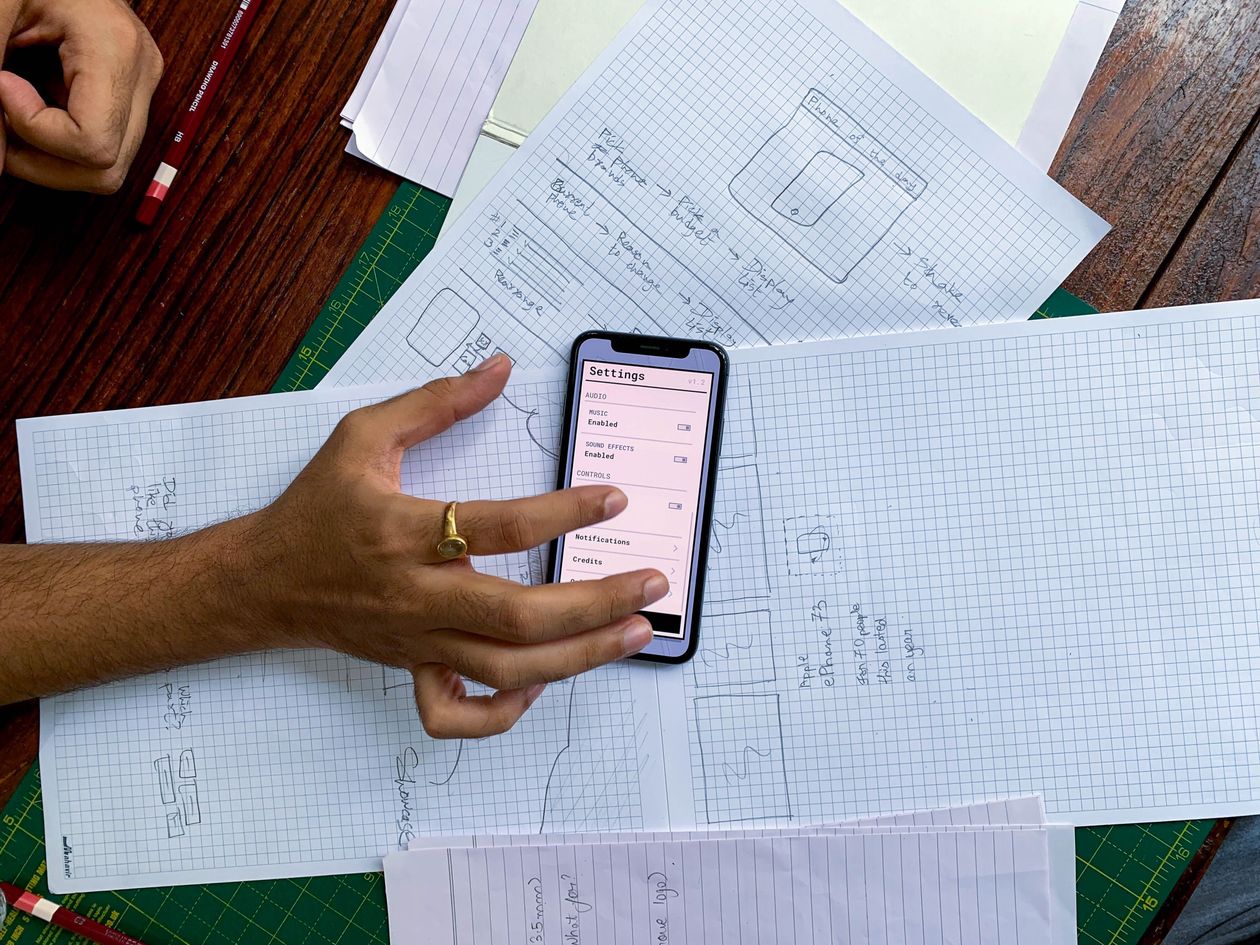
Medellín’s ecosystem includes professionals trained in user-centered design, market research, and frontend development, enabling comprehensive coverage of UX phases. For CTOs, this facilitates forming multidisciplinary teams collaborating closely with engineering.
Local universities and academies offer specialized programs updating professionals on agile methodologies, rapid prototyping, and collaborative design tools aligned with market needs.
Technically, this translates into teams proficient with tools like Figma, Sketch, Adobe XD, and A/B testing platforms, integrated with CI/CD pipelines for continuous delivery and validation.
This reduces the gap between design and development, decreases technical debt from misunderstandings or lack of documentation, and facilitates product scalability.
Available infrastructure and tools
Medellín has witnessed growth in cloud collaborative infrastructures and UX design tools enabling remote and synchronous work. This is relevant for CTOs seeking flexibility in team and process management.
Project management platforms, design repository integration with version control, and UX testing automation are part of the local tech stack supporting the ecosystem.
Architecturally, these tools facilitate pipelines integrating design, development, and QA, optimizing time to market and reducing production errors.
Tool availability also influences team and project scaling capacity, allowing nearshore talent incorporation while maintaining user experience coherence.
Collaboration between communities and companies
Medellín’s ecosystem is characterized by active collaboration among designer, developer communities, and tech companies. For CTOs, this is an opportunity to access talent, share best practices, and accelerate innovation.
Participation in meetups, hackathons, and working groups fosters knowledge transfer and adoption of UX design standards aligned with global trends and local needs.
This interaction also enables quick identification of new tools and methodologies to integrate into technology architecture for experience improvement.
Collaboration strengthens team responsiveness to market changes and promotes creation of higher-quality digital products with lower technical debt.
Which UX methodologies align with agile technology processes?
Design Thinking applied to agile development
Design Thinking centers on deeply understanding users to design innovative solutions. For CTOs, integrating it with agile methodologies allows rapid iteration and validation of design hypotheses with real users.
Practically, this means short cycles of research, prototyping, and testing integrated with development sprints, maintaining synchronization between design and technology.
Architecturally, flexible pipelines supporting frequent deployments and continuous feedback mechanisms like feature toggles or A/B tests are required to adjust experience without compromising system stability.
Adopting Design Thinking reduces technical debt linked to features that don’t meet user expectations and improves team ability to respond to changing requirements or priorities.
User-Centered Design (UCD) and technical integration
UCD places the user at the center of design and development, ensuring technical decisions respond to real needs. For CTOs, this means incorporating constant feedback and usability testing throughout the product lifecycle.
This is implemented through creation of personas, scenarios, and experience maps guiding feature development and system architecture.
Technically, UCD requires modular design and flexible APIs allowing experience iteration without compromising backend integrity or security.
Adopting UCD helps reduce maintenance costs and avoid technical debt from developments that overlook the end-user perspective.
Lean UX and its impact on continuous delivery
Lean UX promotes rapid experimentation and continuous value delivery, aligning with DevOps and CI/CD practices valued by CTOs to accelerate time to market.
This methodology emphasizes interdisciplinary collaboration and use of minimum viable prototypes to validate features before full development.
Architecturally, this requires automated pipelines, staging environments, and monitoring tools to collect real-time usage data and feedback.
Lean UX minimizes technical debt by prioritizing valuable features and enabling early data-driven adjustments, optimizing budget and team capacity.
How does UX design impact technology architecture?
Frontend modularity and scalability
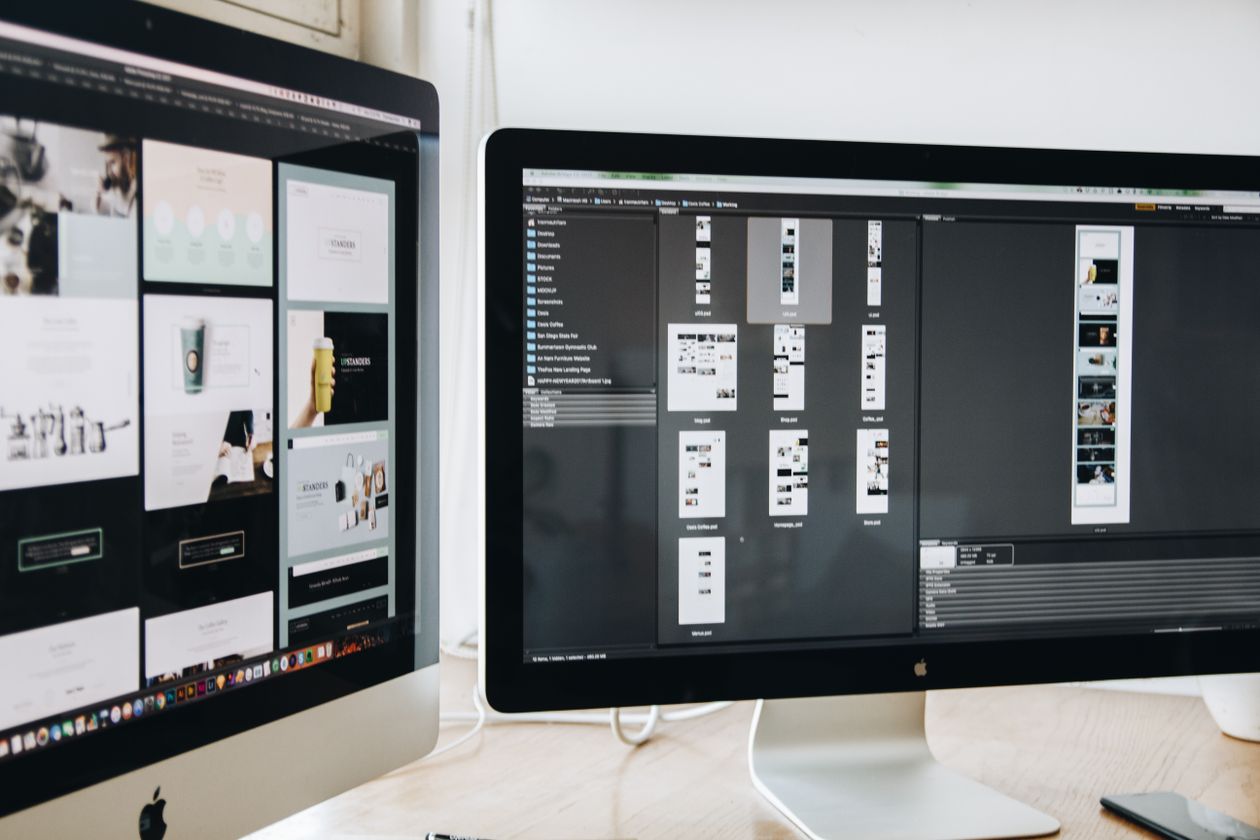
UX design directly influences frontend architecture by promoting modularity to enable rapid iterations and experience personalization.
This translates into adopting modern frameworks supporting reusable components, integration with REST or GraphQL APIs, and clear separation between presentation and business logic.
For CTOs, modularity reduces technical debt and facilitates scaling interfaces to support new devices, languages, or markets.
It also improves collaboration between designers and developers by allowing independent module work and accelerating time to market.
Integration of experience-oriented APIs
UX design defines user flows that architecture must support via APIs delivering data and functions efficiently and coherently.
For CTOs, this involves designing APIs with endpoints tailored to use cases, optimizing latency and enabling independent evolution of frontend and backend.
Event-driven and microservices architectures can complement this strategy, dynamically responding to user interactions and improving performance.
This integration reduces bottleneck risks and enables independent scaling of features aligned with technology strategy and roadmap.
Influence on observability and monitoring
UX impacts observability architecture as it is necessary to measure user interaction to detect issues and improvement opportunities.
This requires integrating logging, analytics, and distributed tracing tools capturing key user experience events.
Technically, architecture must support real-time data collection and analysis without affecting performance or security.
Observability enhances team ability to anticipate failures, optimize flows, and reduce technical debt linked to usability problems or undetected errors.
What security and privacy considerations should UX incorporate?
Designing secure and transparent interfaces
UX design must consider security from the interface, ensuring users clearly understand actions and security implications.
This involves implementing flows minimizing human error, such as clear confirmations, contextual alerts, and proper session management.
Technically, integration with robust authentication and authorization systems is necessary to protect data without compromising experience.
For CTOs, secure UX design reduces vulnerability risks and builds user trust, positively affecting reputation and compliance.
Privacy and informed consent in UX
User experience must facilitate privacy compliance through interfaces that clearly explain personal data usage.
This translates into designs integrating granular, accessible consent options and mechanisms to manage preferences and data requests.
Architecturally, support is needed for auditing, consent management, and secure storage of user settings.
Embedding these considerations helps mitigate legal and technical risks and improves transparency and respect perception from users.
Preventing attacks and manipulation through UX
UX design plays a crucial role in preventing attacks like phishing, social engineering, or misuse through interfaces minimizing confusion or deception.
This includes visual security validations, clear identity indicators, and prevention of unintended actions.
Architecture must complement with backend controls validating integrity and authenticity of user actions.
For engineering teams, UX that addresses these aspects reduces security incidents and technical debt from exploited vulnerabilities via the interface.

What is the roadmap to integrate UX design in Medellín without risks?
Assessment and current state diagnosis
The first step to integrate UX design in Medellín is conducting a detailed assessment of the current product, team, and processes. This identifies gaps, needs, and improvement opportunities.
For CTOs, this diagnosis should cover technical, organizational, and market aspects, including evaluation of local talent and available tools.
Mapping existing architectures, current user flows, and development practices helps understand UX impact potential.
A well-executed assessment reduces implementation risks and technical debt, establishing clear foundations for the roadmap.
Defining strategy and target architecture
Based on diagnosis, a strategy aligning UX design with technology and business goals is defined, setting priorities and success metrics.
This includes designing a technology architecture supporting rapid iterations, continuous integration, and scalability, embedding UX practices and tools.
For CTOs, defining roles, collaboration processes, and feedback cycles is key for smooth, user-centered development.
A clear strategy facilitates budget management, team capacity, and reduces technical debt by avoiding ad-hoc solutions.
Gradual implementation with nearshore focus and collaboration
Roadmap execution should be gradual, prioritizing critical areas and allowing adaptations based on learnings. Collaboration with nearshore teams in Medellín can enhance technical capacity and cultural alignment.
Pilots validating UX integration with architecture and processes are recommended, using agile methodologies for iteration.
Coordination between local and remote teams should rely on collaborative tools, fluid communication, and ongoing knowledge transfer.
This approach minimizes implementation risks, supports go-to-market strategy, and helps maintain controlled technical debt during evolution.
Organizations needing to evaluate such decisions can count on Rootstack as a technology partner to analyze existing architecture, define implementation strategy, and support platform evolution. Their expertise in technology integration and modernization facilitates embedding UX design in Medellín as a strategic component impacting user experience and operational efficiency. Contact us
Related blogs

Automated Logistics Software Development Explained for Your Business

Everything You Need to Know About Crypto Banking Software Development
