
Software Developers in Barranquilla: What You Need to Know
Table of contents
Quick Access
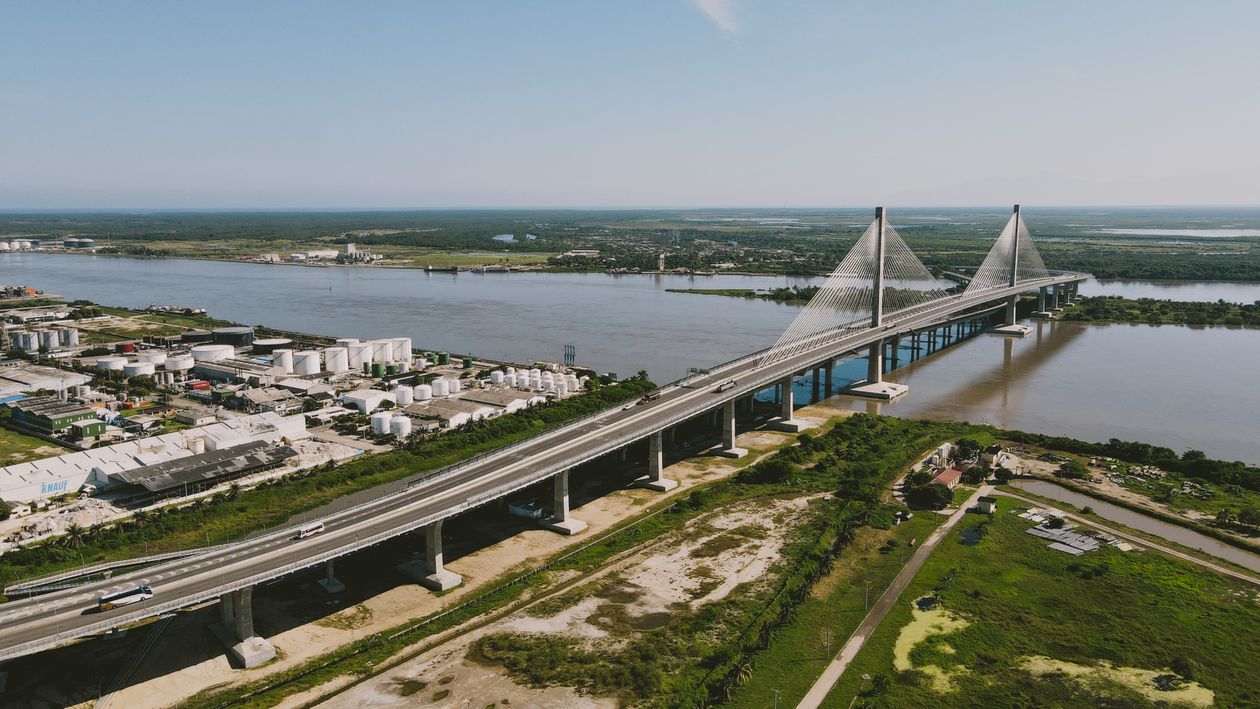
Organizations with software development needs face a critical challenge when deciding where and how to hire specialized talent. Barranquilla, as a city with a growing tech ecosystem, represents an opportunity many CTOs and technology leaders are still exploring. The decision to incorporate software developers from Barranquilla involves not only evaluating talent availability but also understanding how this choice impacts architecture, scalability, operations, and the product roadmap.
The challenge lies in balancing technical quality, cultural alignment, team capacity, and operational costs. Rushed decisions or choices based solely on price can generate technical debt, limit innovation capacity, and negatively affect time to market. Therefore, it is essential to analyze the Barranquilla developer market conditions and how to effectively integrate local talent into the technological strategy.
This analysis is relevant for companies seeking nearshore synergy, aiming to scale teams with local talent, or planning to modernize their technology platforms. It is also key for those facing the need to balance outsourcing with quality control and security in development.
This technical guide details the most relevant aspects for deciding to incorporate software developers in Barranquilla, from talent profiles to impacts on architecture, security, and operations, along with strategic recommendations for CTOs and technology leaders.
Software developer talent profile in Barranquilla
Technical skills and local education background
The software developer profile in Barranquilla consists of professionals trained in systems engineering, computer science, or related fields. The city hosts several universities and technical centers providing talent versed in modern programming languages, agile methodologies, and current development tools such as web and mobile frameworks.
Technically, developers often have experience with popular stacks like JavaScript (React, Angular, Node.js), Java, Python, and both relational and NoSQL databases. Some profiles also include knowledge of modern architectures like microservices and skills in DevOps and cloud computing, though depth varies by experience and employer.
Access to additional training and local tech communities also influences continuous skill updating, a key factor for projects requiring ongoing innovation or new technology adoption.
Understanding these characteristics enables organizations to align technical expectations and design recruitment processes that ensure suitable profiles for the architecture and project needs, avoiding deviations that can cause technical debt or development delays.
Soft skills and work culture in Barranquilla
Beyond technical abilities, cultural fit and soft skills are critical for successful developer integration. In Barranquilla, the work culture tends to emphasize collaboration, adaptability, and good communication skills, although formality and structure may vary by sector and company.
Effective communication is crucial when working with distributed or nearshore teams, where time zone alignment and clear task definitions directly affect productivity and product quality.
The ability to work under agile methodologies, problem-solving proactivity, and willingness to collaborate across functions are competencies that should be evaluated during selection and team development.
Considering these cultural and soft skill factors is essential to avoid team friction, facilitate knowledge transfer, and ensure agile operations, reducing risks that could affect time to market and software quality.
Local technology market trends and evolution
Barranquilla’s tech ecosystem has shown steady growth in recent years, driven by the emergence of tech hubs, incubators, and increasing demand for digital services in the region. This has created a more competitive and specialized market in areas such as web development, mobile applications, and cloud solutions.
Current trends include adopting cloud-native technologies, process automation through DevOps, and growing interest in artificial intelligence and machine learning. However, maturity in these areas can vary depending on the company and sector.
This evolution implies organizations must design hiring and training strategies that consider continuous professional development to fully leverage local potential and sustain technological competitiveness.
From an architectural and technology strategy standpoint, this means planning onboarding, mentoring, and continuous evaluation processes to mitigate risks related to technological obsolescence and technical debt due to lack of updates.

Hiring models and nearshore synergy
Direct hiring vs nearshore outsourcing
The primary decision axis for a CTO evaluating developers in Barranquilla is choosing between direct hiring of local talent or outsourcing via nearshore providers. Direct hiring offers greater control over the team, cultural alignment, and intellectual property ownership but requires investment in selection, management, and retention processes.
Nearshore outsourcing can provide flexibility to scale teams and reduce administrative burdens but introduces dependencies on third parties, potential risks in communication and quality control, and impacts on security and governance.
Operationally, nearshore benefits from geographic proximity and similar time zones, facilitating collaboration, which can be a competitive advantage over more distant offshore models.
The choice between these models should consider internal management capacity, desired control level, project criticality, and go-to-market strategy to minimize risks and maximize team efficiency.
Nearshore synergy and distributed collaboration
Nearshore synergy describes effective collaboration between local and remote teams located in close time zones, such as Barranquilla and the United States. This proximity facilitates real-time communication, joint task management, and continuous integration of deliverables.
To implement this, clear coordination processes, robust collaboration tools (agile management platforms, video conferencing, code repositories), and service level agreements defining responsibilities and expectations are essential.
This synergy can enhance team capacity, allowing development operations to scale without sacrificing quality or speed. However, it requires investment in governance, training, and feedback mechanisms to avoid silos and alignment issues.
The impact of nearshore synergy is significant in time to market and the ability to rapidly iterate the product, critical aspects for competitiveness and technological evolution.
Legal and contractual considerations in Barranquilla
Hiring in Barranquilla, both directly and via outsourcing, must consider Colombian labor, tax, and intellectual property laws. For CTOs and technical leaders, understanding these aspects is vital to avoid legal risks and ensure operational continuity.
Contracts should include clear clauses on confidentiality, code ownership, compliance with data protection regulations, and termination conditions. Mechanisms to manage staff turnover and knowledge transfer are also important.
Local legislation impacts benefits, social security, and labor rights, so collaboration with legal and HR departments is indispensable to design sustainable and ethical models.
This legal knowledge influences budget strategy and technology roadmap planning, as it can affect talent availability, stability, and team scalability.
Impact on architecture and scalability
Adapting architecture for distributed teams
Incorporating developers from Barranquilla requires adapting software architecture to facilitate distributed work. This may include clear modularization, well-defined APIs, and microservices architectures to allow different teams to work independently without bottlenecks.
Implementing event-driven or service-oriented architectures can ease integration and scalability, reducing tight coupling between modules and enabling independent deployments.
Robust CI/CD pipelines are essential to automate testing, integration, and deployment, ensuring code developed in different locations maintains quality and consistency.
These practices directly affect product scalability, delivery speed, and reduce technical debt from poor integration or strong inter-team dependencies.
Technical scalability and performance management
Architectural design must consider technical scalability to support user, data, and transaction growth. This involves selecting technologies enabling horizontal and vertical scaling, as well as implementing caching, load balancing, and distributed databases.
The Barranquilla team must have tools and knowledge to monitor performance, identify bottlenecks, and adjust architecture as demand grows.
Adopting observability with centralized logging, metrics, and distributed tracing is critical to maintain visibility and responsiveness during incidents.
A proactive approach to scalability and performance reduces operational risks and ensures investment in local talent yields sustainable, business-aligned results.
Impact on technical debt and maintainability
Distributed work can increase technical debt risk if clear standards and rigorous review processes are not in place. Misalignment in coding styles, documentation, and testing can generate debt that hinders future evolution.
Defining development guidelines, quality policies, and technical governance including code reviews, pair programming, and continuous training for Barranquilla and main site teams is essential.
Maintainability improves when modularity, documentation, and test and deployment automation are prioritized, facilitating onboarding and contribution of new developers without rework.
From a CTO perspective, controlling technical debt is critical to avoid escalating operational costs and preserve agility to respond to market changes and product needs.

How to manage distributed teams with Barranquilla talent
Effective communication and coordination
Managing distributed teams with developers in Barranquilla requires establishing clear and frequent communication channels, including regular meetings, daily syncs, and collaborative tools to maintain task visibility and progress.
Coordination should be supported by agile methodologies promoting short iterations, continuous feedback, and adaptability, facilitating nearshore developer integration into global project processes.
Clear role definition and responsibility assignment help avoid ambiguities, improve productivity, and foster belonging and commitment in the distributed team.
Good communication positively affects product quality, reduces rework, and enables team scaling without losing efficiency.
Knowledge management and transfer
To prevent knowledge loss and individual dependency, formal mechanisms for documentation, training, and knowledge transfer between Barranquilla and main site teams must be implemented.
This includes centralized repositories, technical wikis, mentoring sessions, and task rotation to share expertise and reduce risks related to personnel turnover.
Knowledge management also facilitates onboarding of new members and maintains development quality and coherence over time.
Strategically investing in these processes improves team resilience and project sustainability, avoiding organizational and operational technical debt.
Performance measurement and goal alignment
Defining clear technical and operational performance indicators is essential for managing distributed teams. KPIs should align with project and business goals, including quality metrics, delivery speed, and standard compliance.
Data-driven regular feedback helps identify improvement areas, recognize achievements, and adjust professional development plans for Barranquilla developers.
Evaluation processes strengthen responsibility culture and continuous improvement within the team.
A systematic approach to measurement and goal alignment positively impacts productivity, talent retention, and technology roadmap success.
Security, quality, and technical debt in nearshore development
Security management in development and operations
Integrating developers in Barranquilla requires implementing security controls protecting confidentiality, integrity, and availability. This encompasses access management, authentication, data encryption, and periodic audits.
DevSecOps practices can be incorporated to embed security throughout the development lifecycle, enabling early vulnerability detection and automated security testing.
Clear agreements on handling sensitive data and compliance with local and international regulations must be established considering geographic location and Colombian legal framework.
Effective security management reduces legal, operational, and reputational risks, ensuring nearshore talent investment does not compromise product or company integrity.
Quality assurance and testing practices
Software quality in distributed teams is ensured through rigorous automated and manual testing processes, continuous integration, and code reviews.
Barranquilla teams must have tools and training to execute unit, integration, functional, and regression tests, ensuring each delivery meets defined standards.
Clear acceptance criteria and close collaboration with QA and product owners facilitate early defect detection and continuous improvement.
These practices reduce production incidents, technical debt, and deliver a consistent, reliable user experience.
Mitigating technical debt from distribution
Distributed work can generate technical debt if differences in processes, standards, and communication are not managed. Mitigation requires clear development policies, documentation, and code review processes.
Automating tests and deployments, along with observability tools, helps identify and address technical debt areas promptly.
Promoting shared responsibility culture and continuous improvement between Barranquilla and main teams is key to preventing debt accumulation and maintaining software quality.
From a CTO perspective, controlling technical debt is vital for preserving agility, reducing future operational costs, and ensuring technological sustainability.

Strategy, budget, and technology roadmap
Total cost of ownership evaluation and budgeting
Incorporating developers in Barranquilla requires detailed evaluation of total cost of ownership (TCO), including salaries, benefits, infrastructure, training, management, and potential integration and governance costs.
Budget should also consider investments in collaboration tools, security, and processes supporting distributed operations.
Decisions based solely on direct costs should be avoided, as low initial investment may lead to technical debt, quality issues, or delays increasing medium- and long-term expenses.
A strategic approach to budgeting aligns resources with business and technology objectives, optimizing return on nearshore talent investment.
Roadmap planning and team scaling
The technology roadmap should contemplate gradual incorporation of Barranquilla talent, defining clear phases for onboarding, integration, and scaling based on project needs and team capacity.
Including milestones for performance, quality, and alignment with architecture and technical standards is recommended.
Planning should also anticipate technological evolution and continuous training to maintain competitiveness and avoid technical debt from obsolescence or lack of updates.
Rigorous planning reduces operational risks, improves time to market, and facilitates adaptation to market changes and product requirements.
Strategic decision and Rootstack's role as a technology partner
Organizations evaluating the incorporation of developers in Barranquilla can rely on Rootstack as a strategic partner to analyze existing architecture, define implementation strategies, and support platform evolution.
Rootstack’s experience in integrating nearshore teams and managing technology projects helps mitigate risks, optimize resources, and align with business goals.
This partnership is particularly valuable for companies seeking balance between quality, security, and scalability, ensuring local talent integration translates into sustainable competitive value.
Technical FAQ
What technical skills are most in demand for developers in Barranquilla?
Skills include proficiency in JavaScript, Java, and Python, experience with microservices architectures, and knowledge of DevOps and cloud technologies. Continuous updating is key for modern projects.
How is quality ensured in distributed nearshore teams?
Through CI/CD implementation, automated testing, code reviews, and agile methodologies fostering collaboration and continuous feedback among distributed teams.
What legal risks should be considered when hiring in Barranquilla?
Labor laws, intellectual property, data protection compliance, and local regulations are fundamental to avoid contingencies and ensure stable and ethical operations.
How is technical debt mitigated when working with distributed teams?
By establishing clear standards, automating tests and deployments, continuous code review, and fostering a shared technical responsibility culture among teams. Contact us
Related blogs

Comprehensive Guide to Internet Of Things Product Development for CTOs and Architects

Nearshore Costa Rica and Why It Matters for Software Teams
