
What Is UX/UI Developer Staff Augmentation and Why It Matters
Table of contents
Quick Access
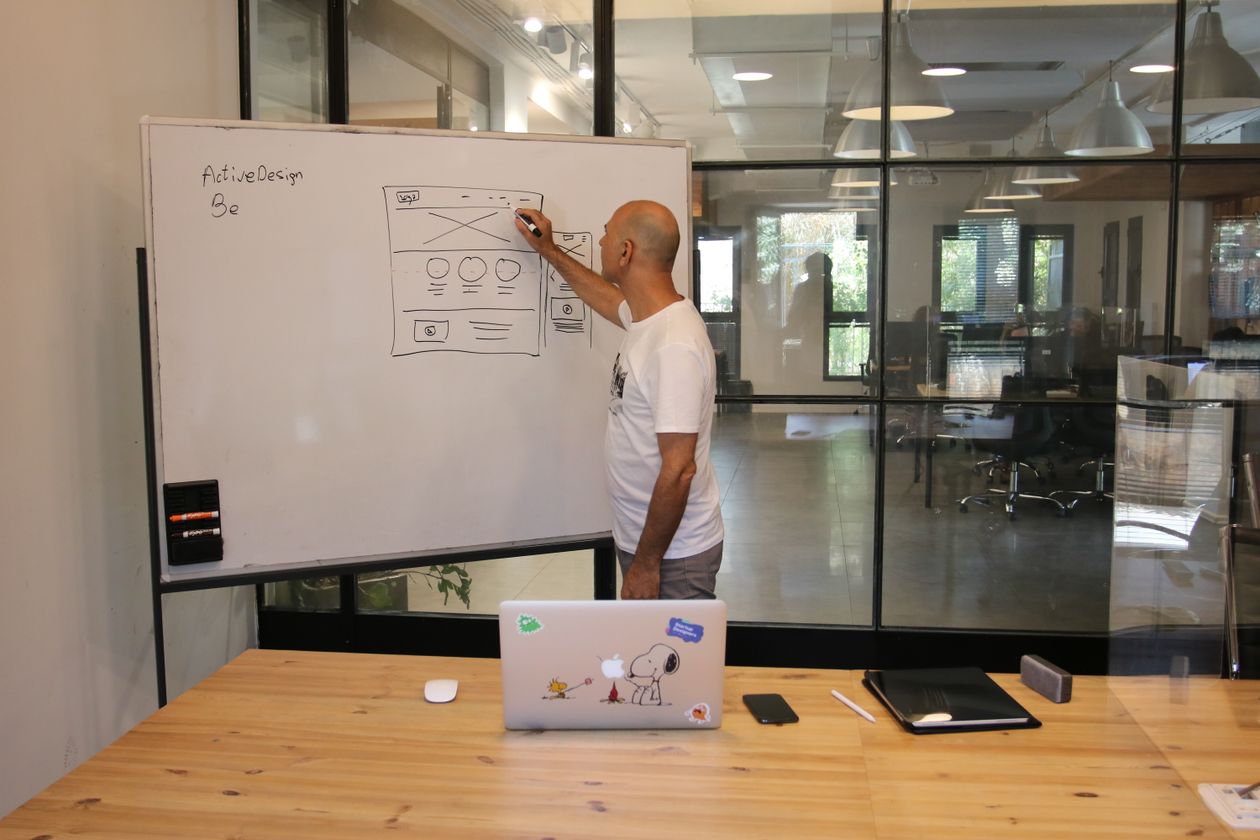
Modern technology leaders face the challenge of balancing rapid digital product development with the availability and specialization of their internal teams. The demand for UX/UI experts is rising, as user experience and interface design are critical for product adoption and retention. However, hiring specialized UX/UI talent through traditional means can be complex and costly.
The technical and strategic decision on how to augment UX/UI development capacity directly affects an organization’s ability to respond to market changes, maintain digital experience quality, and manage related technical debt. Poor decisions can lead to delays, internal team overload, or subpar user experience that undermines competitiveness.
UX/UI Developer Staff Augmentation offers a flexible, rapid way to incorporate specialized external talent aligned with project or product needs. This model introduces challenges and benefits in work architecture, team integration, security, and product scalability.
This article provides an in-depth exploration of what UX/UI developer staff augmentation entails, how to implement it technically, its risks and benefits, and how CTOs can make informed decisions to maximize positive organizational impact.
What Is UX/UI Developer Staff Augmentation?
Definition and relevance for CTOs
Staff augmentation involves hiring external professionals temporarily or per project to complement internal teams. For UX/UI developers, this means incorporating designers and developers specialized in user experience and interface who work under the hiring company’s direction and processes.
For CTOs, this model enables responding to demand peaks, accessing specialized talent without permanent hiring overhead, and maintaining organizational flexibility. It is particularly relevant when rapid innovation and UX/UI quality are competitive differentiators.
Technically, staff augmentation requires clear role definitions, tool access, and processes to integrate external talent without disrupting team cohesion or security. The model does not transfer ownership of work but extends the internal team’s capacity.
This strategy can help avoid bottlenecks in interface development and accelerate time to market while mitigating risks associated with direct hiring such as cultural mismatch or onboarding burden.
Technical and architectural implementation
Implementing UX/UI developer staff augmentation requires establishing a collaborative environment with shared design tools (e.g., Figma, Sketch, Adobe XD), version control systems for front-end code (such as Git), and platforms for agile communication and management (Jira, Confluence, Slack).
Project architecture must clearly separate responsibilities and define deliverables and quality standards. Setting up CI/CD pipelines that efficiently integrate design and code artifacts is essential for traceability and governance.
Infrastructure must enable secure access to internal resources like user databases or APIs with granular access controls to prevent data leaks or unnecessary exposure.
Internally, coordination roles are necessary to bridge internal and external developers, ensuring integration and avoiding duplication or inconsistencies in the final product.
Impact on team, budget, and technical debt
Staff augmentation can offer variable costs aligned with workload, avoiding fixed salary commitments. However, it also requires investment in management, communication, and cultural adaptation to ensure productivity.
From a technical debt perspective, external UX/UI developers can help reduce debt related to user experience if clear standards and continuous reviews are maintained. Conversely, poor integration can increase debt through inconsistencies or misalignment with product architecture.
Team scalability is simplified, allowing adjustment of capacity according to business needs and development cycles, facilitating rapid adaptation to change.
CTOs must balance these factors to avoid operational overhead and maintain technical and experience quality during product evolution.

How to Integrate Internal and External UX/UI Teams?
Definition of the integration challenge
Integrating internal and external UX/UI teams means aligning processes, tools, and communication to work cohesively and efficiently. For CTOs, this is critical to avoid silos, duplicated effort, and degraded user experience quality.
Integration must cover planning through delivery, ensuring shared objectives, metrics, and standards. Organizational design should facilitate continuous collaboration and transparency.
Clear role definitions, including coordinators or product owners acting as liaisons, are essential for alignment.
Effective integration improves team agility, reduces rework risks, and enhances digital product coherence.
Practices and tools for technical integration
Collaborative design and development platforms are foundational. Shared design systems, UI component repositories, and pattern libraries help maintain consistency.
Agile workflows with synchronized ceremonies, peer reviews, and shared documentation promote visibility and control. Tools like Figma with real-time comments, Git branches for external developers, and Kanban or Scrum boards facilitate coordination.
Continuous integration and automated testing ensure UX/UI changes are validated quickly, minimizing conflicts and production errors.
CTOs must ensure processes are scalable and teams are trained for distributed collaboration.
Impact on culture, communication, and team capacity
Incorporating external talent requires a culture open to distributed collaboration and knowledge transfer. Communication must be clear, frequent, and structured to prevent misunderstandings and delays.
CTOs must evaluate internal management capacity to coordinate and oversee external work, potentially adding roles or training.
Nearshore synergy can ease communication through timezone alignment and cultural affinity, enhancing collaboration.
Poor integration risks friction, low productivity, and increased technical debt, making investment in processes and tools critical.
What Security and Confidentiality Considerations Apply?
Importance of security in staff augmentation
External access to internal systems and sensitive data poses significant security and confidentiality risks. Managing these risks is essential for CTOs to protect intellectual property, user data, and regulatory compliance.
Staff augmentation strategies must include strict access policies, monitoring, auditing, and legal agreements defining responsibilities and restrictions.
Security protects assets and maintains internal and external trust in the collaboration process.
Neglecting security can lead to breaches, regulatory penalties, and reputational damage.
Implementation of technical controls and processes
Access controls based on least privilege principles using Identity and Access Management (IAM) enable granular and temporary permissions.
VPNs, network segmentation, and multi-factor authentication enhance infrastructure and data protection.
Continuous monitoring and activity logging facilitate rapid incident detection and response.
Rigorous onboarding and offboarding processes ensure only authorized personnel have access for the necessary duration.
Impact on architecture and operations
Incorporating external talent with restricted access may require architectural changes such as isolated environments or sandboxes for development and testing.
This increases operational complexity and demands automation to maintain security without hindering productivity.
CTOs must balance security with agility, avoiding excessive controls that create bottlenecks.
Regulatory compliance and risk reduction justify this investment strategically.

How Does It Affect Technical Debt and Maintenance?
Relationship between staff augmentation and technical debt in UX/UI
Technical debt in UX/UI includes design inconsistencies, component integration issues, incomplete documentation, and challenges maintaining user experience coherence.
Staff augmentation can reduce technical debt by integrating highly specialized professionals and clear processes that avoid quick fixes or temporary patches.
Poor management, however, can increase debt through misalignment, incomplete documentation, or divergent standards.
CTOs must understand this dynamic to implement controls that preserve long-term quality.
Practices to minimize technical debt with external teams
Establish clear design and development standards with accessible, updated documentation.
Frequent collaborative code and design reviews ensure consistency and quality.
Automated UI and usability testing help detect issues early and reduce rework.
Change traceability and version control facilitate quick defect identification and correction.
Impact on maintenance and product evolution
Effective technical debt management reduces maintenance costs and time, eases new feature integration, and improves user experience.
Accumulated debt can cause rework cycles, bug increases, and scaling difficulties.
CTOs should embed technical debt management in the staff augmentation roadmap, aligning technical and business objectives.
This approach supports product sustainability and operational budget optimization.
What Is the Impact on Team Scalability and Flexibility?
Definition of scalability in staff augmentation context
Team scalability refers to the ability to increase or decrease specialized human resources quickly according to project or business needs.
In UX/UI developer staff augmentation, scalability enables responding to fluctuating demand without compromising organizational structure.
For CTOs, this flexibility is a strategic asset that supports adaptation to market cycles, launches, or strategic shifts.
Scalability also affects innovation capacity and go-to-market speed.
Technical implementation for scaling UX/UI teams
Effective scaling requires standardized processes, robust documentation, and collaborative tools that enable rapid onboarding.
Technology infrastructure must support remote collaboration and continuous integration of design and development artifacts.
Automating repetitive tasks and defining clear deliverables facilitates external talent performance.
CTOs must anticipate management and coordination capacity to avoid disorganization or quality loss.
Impact on budget, time to market, and technical debt
Scalability via staff augmentation can optimize budget by aligning costs with real demand, avoiding fixed overhead.
It accelerates time to market by providing specialized resources when needed, without lengthy recruitment.
Poorly managed scalability risks increasing technical debt and operational issues, affecting product stability.
CTOs must implement metrics and controls to balance these factors and maximize talent investment returns.

What Technical and Strategic Criteria Should Be Used to Select Providers?
Definition of key criteria for CTOs
Selecting a provider for UX/UI developer staff augmentation requires evaluating technical, cultural, and strategic aspects to ensure quality and business alignment.
CTOs consider technical expertise, similar project experience, integration capacity, contractual flexibility, and security level.
Provider adaptability to agile methodologies and collaboration with internal teams and other departments is also important.
A thorough evaluation reduces risks of delays, quality issues, or communication problems.
Technical and operational evaluation
Providers must demonstrate skills in UX design, front-end development, collaborative tools, and development best practices.
Integration with CI/CD pipelines, compliance with accessibility and usability standards, and documentation contributions are technical essentials.
Provider infrastructure must ensure security, confidentiality, and operational continuity.
CTOs should verify team scalability and stability to avoid turnover affecting the project.
Impact on risk, budget, and go-to-market
A suitable provider helps mitigate technical and operational risks, enabling timely, quality deliveries.
Contractual flexibility and scaling capacity optimize budget and adapt to strategic changes.
This directly influences product launch speed and iteration capacity for user experience improvements.
Rootstack can support this evaluation, bringing nearshore synergy experience and specialized UX/UI talent selection.
How to Design an Effective Implementation Roadmap?
Definition of a staff augmentation roadmap
An implementation roadmap is a structured plan guiding the progressive, efficient incorporation of external UX/UI talent aligned with technical and business goals.
CTOs need a roadmap with clear phases from initial assessment to integration, monitoring, and scaling.
It should include milestones, responsibilities, success metrics, and feedback mechanisms to ensure quality and adaptability.
A well-designed roadmap minimizes risks, optimizes resources, and facilitates decision-making during execution.
Key phases and activities in the roadmap
The first phase assesses the current team and defines specific UX/UI needs.
Next, providers are selected and contractual and security agreements established.
Then, technical and cultural integration is planned, including training and process definition.
Finally, continuous monitoring, results evaluation, and team adjustment occur according to project evolution.
Impact on team capacity, budget, and technical debt
The roadmap aligns team capacity with real demand, preventing over- or under-sizing.
It facilitates budget management by phasing costs and adjusting based on outcomes.
It includes mechanisms to control technical debt generation and ensure continuous quality.
For organizations evaluating these decisions, Rootstack can act as a technology partner to analyze existing architecture, define implementation strategy, and support platform evolution.
Technical FAQ on UX/UI Developer Staff Augmentation
What is the difference between staff augmentation and traditional outsourcing?
Staff augmentation integrates external professionals as an extension of the internal team, maintaining direct control and direction. Traditional outsourcing delegates complete projects to third parties with less direct control.
For CTOs, staff augmentation offers greater flexibility and alignment with internal processes, while outsourcing may suit projects with well-defined deliverables.
Both models have distinct implications for management, security, and technical debt.
Choice depends on strategy, internal capacity, and project nature.
How to avoid communication issues with external teams?
By establishing clear, frequent channels using collaborative tools and defining coordination roles.
Fostering a culture of transparency and continuous feedback prevents misunderstandings.
Nearshore synergy aids communication through timezone and cultural alignment.
CTOs should allocate resources for management and knowledge transfer.
What are common security risks and how to mitigate them?
Unauthorized data access, intellectual property leaks, and infrastructure vulnerabilities.
Mitigation requires strict access controls, continuous monitoring, and clear legal agreements.
Implementing multi-factor authentication and network segmentation is recommended.
Security training for all participants is essential.
How to measure success of a UX/UI developer staff augmentation strategy?
Using metrics on design quality, deadline adherence, end-user satisfaction, and technical debt reduction.
Evaluating team integration, delivery agility, and time to market impact.
CTOs should define clear indicators from the start and conduct periodic reviews.
Continuous feedback allows strategy adjustment to maximize outcomes. Contact us
Related blogs

Comprehensive Guide to Internet Of Things Product Development for CTOs and Architects

Nearshore Costa Rica and Why It Matters for Software Teams
